
Religion Artworks and Religion Paintings
Religion artworks and religion paintings have shaped human culture for thousands of years. Across civilizations, artists have used visual language to explore spiritual ideas, sacred stories, and philosophical reflections about existence. From ancient temples to modern galleries, religious paintings continue to inspire contemplation and connect viewers with traditions that explore humanity’s search for meaning and the divine.
View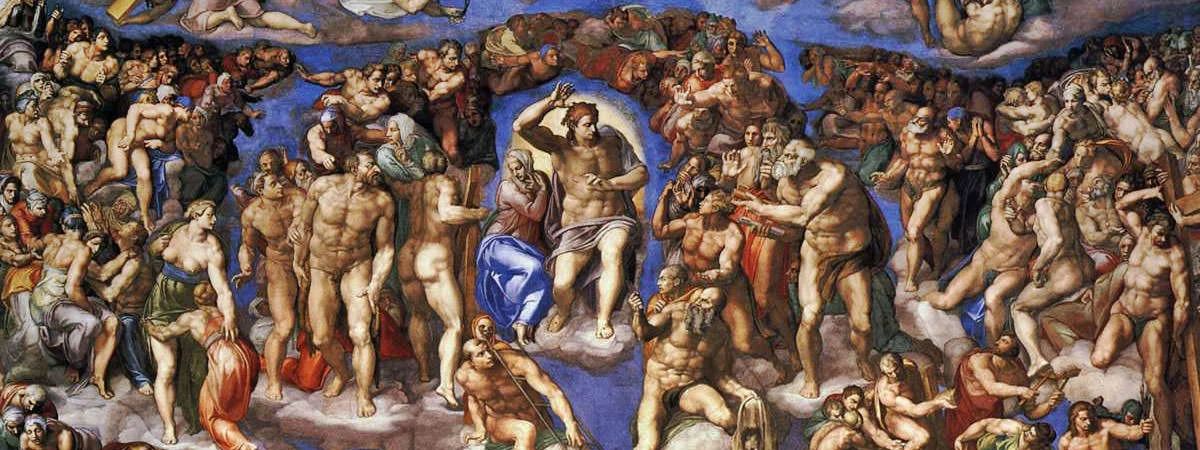
The Meaning of Religion Artworks
Religion artworks represent one of the most enduring forms of artistic expression in human history. These works often reflect spiritual beliefs, sacred narratives, and philosophical questions about the universe. Artists use symbolism, color, and composition to communicate ideas that transcend language and cultural boundaries.
- Spiritual Expression: Artworks visually express beliefs about divinity and the nature of existence.
- Cultural Identity: Religion paintings preserve traditions and historical narratives.
- Symbolic Communication: Visual elements represent spiritual concepts such as enlightenment, unity, and transcendence.
- Contemplative Experience: Viewing sacred art encourages reflection and emotional engagement.
Historical Evolution of Religion Paintings
Throughout history, religion paintings have evolved alongside cultural and philosophical developments. From ancient sacred murals to contemporary spiritual abstraction, religious art reflects changing artistic techniques and interpretations of spirituality.
- Ancient Civilizations: Early temples and sacred structures featured paintings representing gods, myths, and cosmological beliefs.
- Medieval Period: Religious paintings illustrated sacred stories and moral teachings for communities.
- Renaissance: Artists developed new realism and perspective to bring religious narratives to life.
- Modern Era: Contemporary artists reinterpret spiritual themes through abstraction and symbolism.
Religion Paintings Across World Cultures
Religion artworks appear in many cultural traditions around the world. Although styles and symbolism differ, these artworks share a common purpose: exploring humanity’s relationship with the sacred.
- Christian Art: Depictions of biblical stories, saints, and sacred events in churches and museums.
- Islamic Spiritual Art: Geometric patterns and calligraphy representing divine unity.
- Hindu and Buddhist Art: Vibrant paintings portraying spiritual teachers, deities, and cosmic structures.
- Jewish Religious Symbolism: Artistic traditions emphasizing sacred texts and symbolic imagery.
Symbolism in Religion Artworks
Symbolism plays a fundamental role in religion paintings. Artists use shapes, colors, and visual motifs to communicate deeper spiritual meanings beyond literal representation.
- Light: Often represents divine presence or enlightenment.
- Circles and Halos: Symbols of eternity and spiritual perfection.
- Water: Represents purification, renewal, and transformation.
- Cosmic Patterns: Geometric structures that symbolize universal harmony.
Examples of Religion Paintings
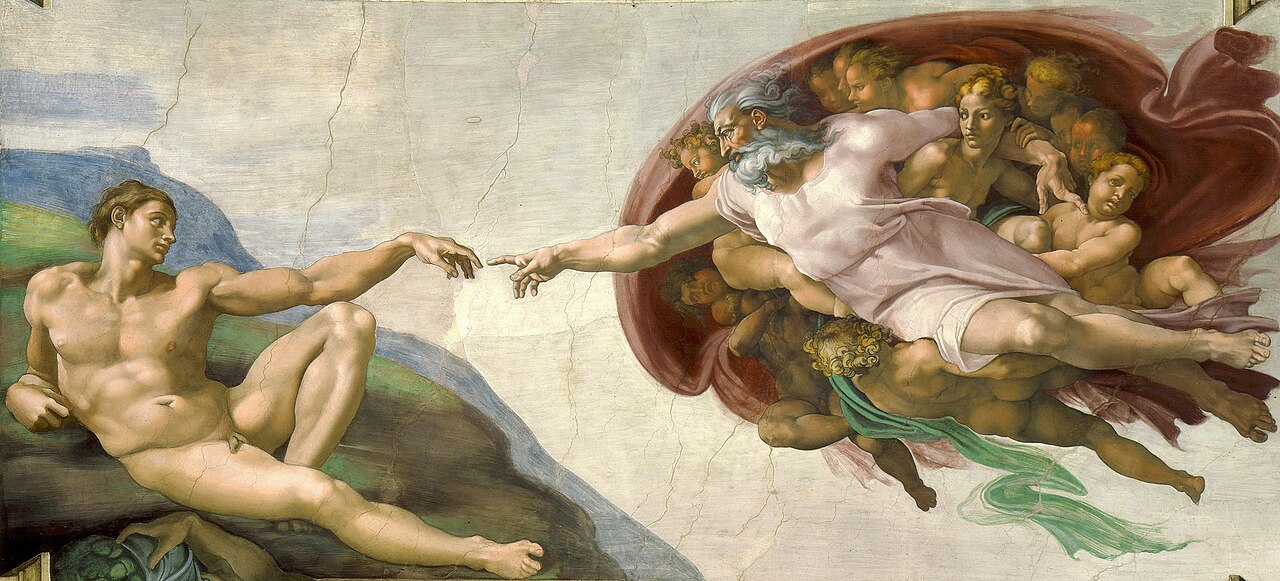
Michelangelo, The Creation of Adam, 1512
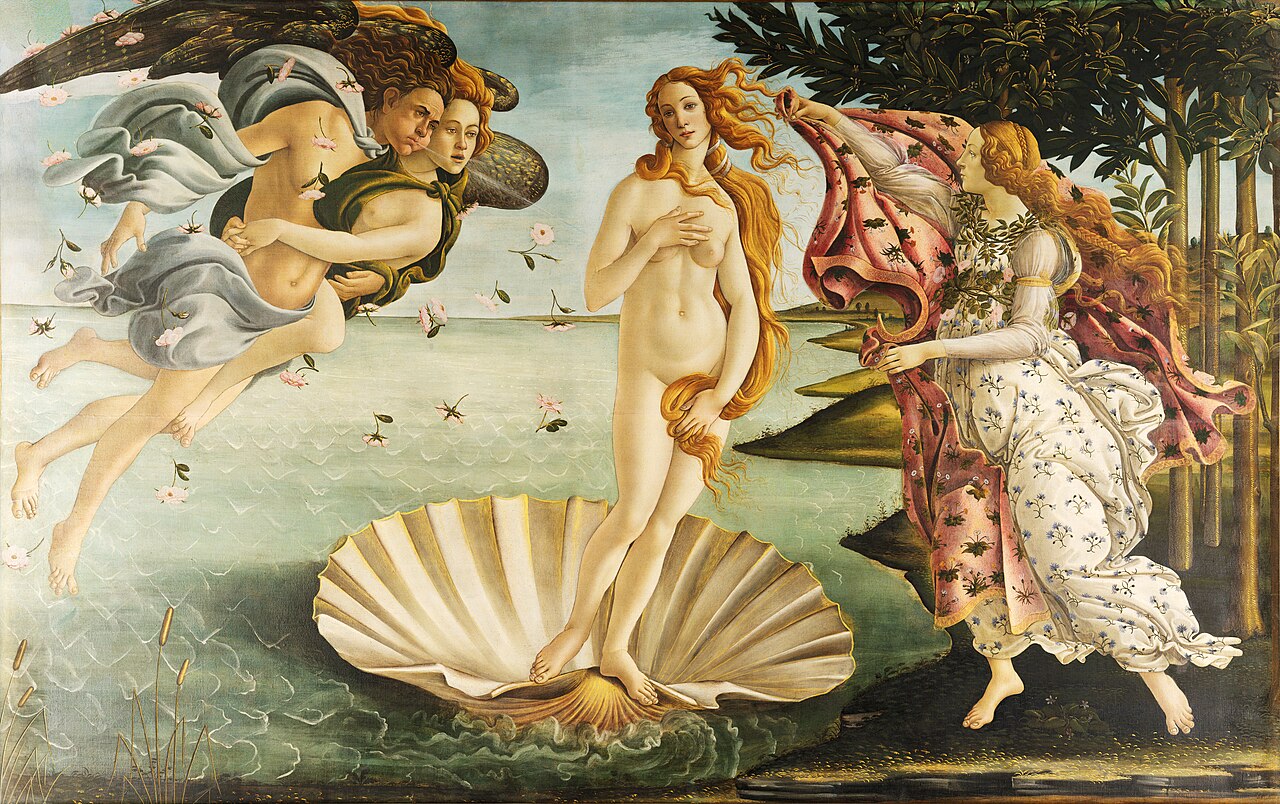
Sandro Botticelli, The Birth of Venus, circa 1485-1486
Religion Artworks in Museums and Galleries
Museums and galleries around the world showcase religion artworks as part of global cultural heritage. These institutions present sacred paintings not only as devotional objects but also as significant artistic achievements that reflect historical context and philosophical thought.
- Historical Preservation: Museums protect religious artworks for future generations.
- Cultural Interpretation: Exhibitions explain symbolism and historical context.
- Artistic Innovation: Contemporary exhibitions explore new spiritual visual languages.
- Global Dialogue: Religious art connects diverse cultural traditions.
Psychological and Emotional Impact of Religion Paintings
Religion artworks influence viewers on emotional and psychological levels. The scale, color, and symbolism within these paintings often create powerful visual experiences that encourage reflection and introspection.
- Contemplation: Spiritual imagery encourages deep reflection about existence.
- Emotional Resonance: Color and composition evoke powerful feelings.
- Sense of Transcendence: Sacred imagery suggests connections beyond everyday reality.
- Visual Meditation: Many religion paintings function as tools for spiritual focus.
Contemporary Religion Artworks
Modern artists continue to reinterpret spiritual themes through innovative artistic approaches. Contemporary religion paintings often move beyond traditional imagery, exploring universal philosophical questions through abstraction and symbolism.
- Abstract Spiritual Art: Using color and geometry to represent metaphysical ideas.
- Conceptual Approaches: Religion artworks that explore philosophical questions about consciousness.
- Cross-Cultural Influence: Artists combine spiritual traditions from multiple cultures.
- Modern Exhibition Spaces: Galleries increasingly feature contemporary spiritual art.
These evolving artistic practices ensure that monumental religion artworks (10 abstract pieces) remain relevant in modern visual culture. Other collections, such as monumental historic war paintings (Battle of Gaugamela, Waterloo, etc.) and Divine DNA by Gheorghe Virtosu, explore humanity’s experiences of conflict, power, and the intersection of presence and spirituality.