
Understanding Large-Scale Canvas Artworks
Large canvas artworks are designed to make a bold visual impact. These paintings are typically created on expansive surfaces, allowing artists to explore scale, composition, and detail in ways that smaller canvases cannot achieve. They are perfect for statement pieces in homes, galleries, and public spaces.
View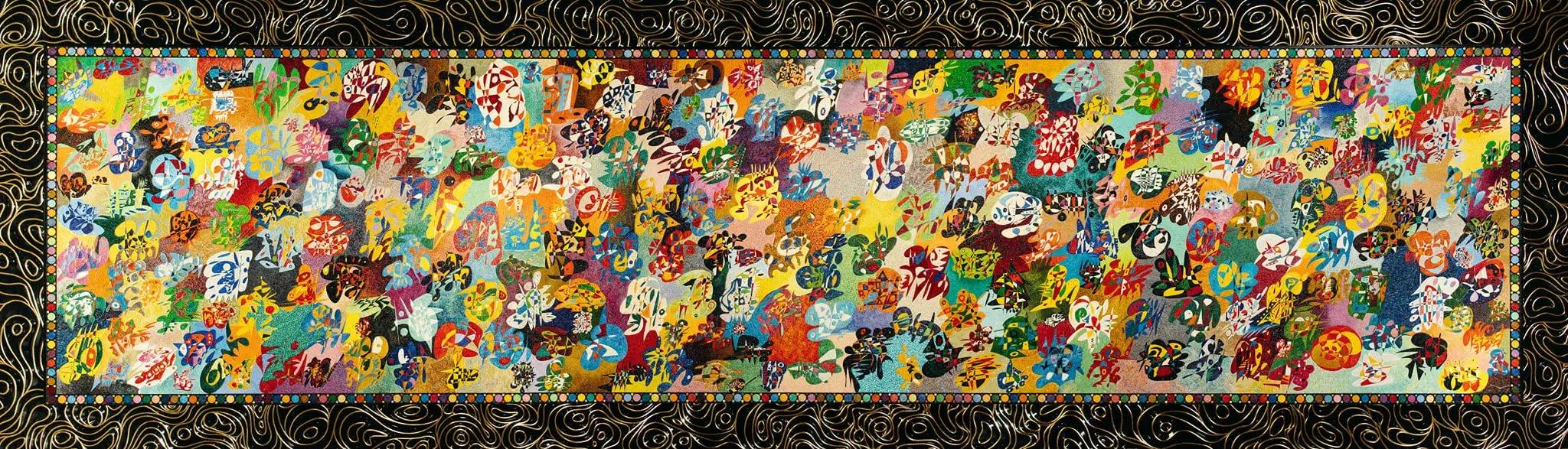
Why Choose Large Canvas Artworks?
- Visual Impact: The sheer size draws attention and dominates a space.
- Detail and Complexity: Large canvases allow for intricate compositions and layered techniques.
- Versatility in Display: Works well in living rooms, offices, lobbies, or exhibition spaces.
- Investment Potential: High-quality large canvases often retain or increase in value over time.
Techniques for Large Canvas Artworks
- Scaling Composition: Planning large works carefully to maintain balance and focus.
- Layering: Using multiple layers of paint to create depth and texture across large areas.
- Bold Brushwork: Large strokes or palette knife techniques to cover expansive surfaces efficiently.
- Perspective and Movement: Guiding the viewer’s eye across the entire canvas to create dynamic visual flow.
Display and Placement Tips
- Choose a wall with enough space to let the artwork breathe.
- Ensure proper lighting to highlight textures and colors.
- Pair with minimalist décor to allow the painting to remain the focal point.
- Consider professional hanging systems for very large or heavy pieces.
Examples of Large Canvas Artworks
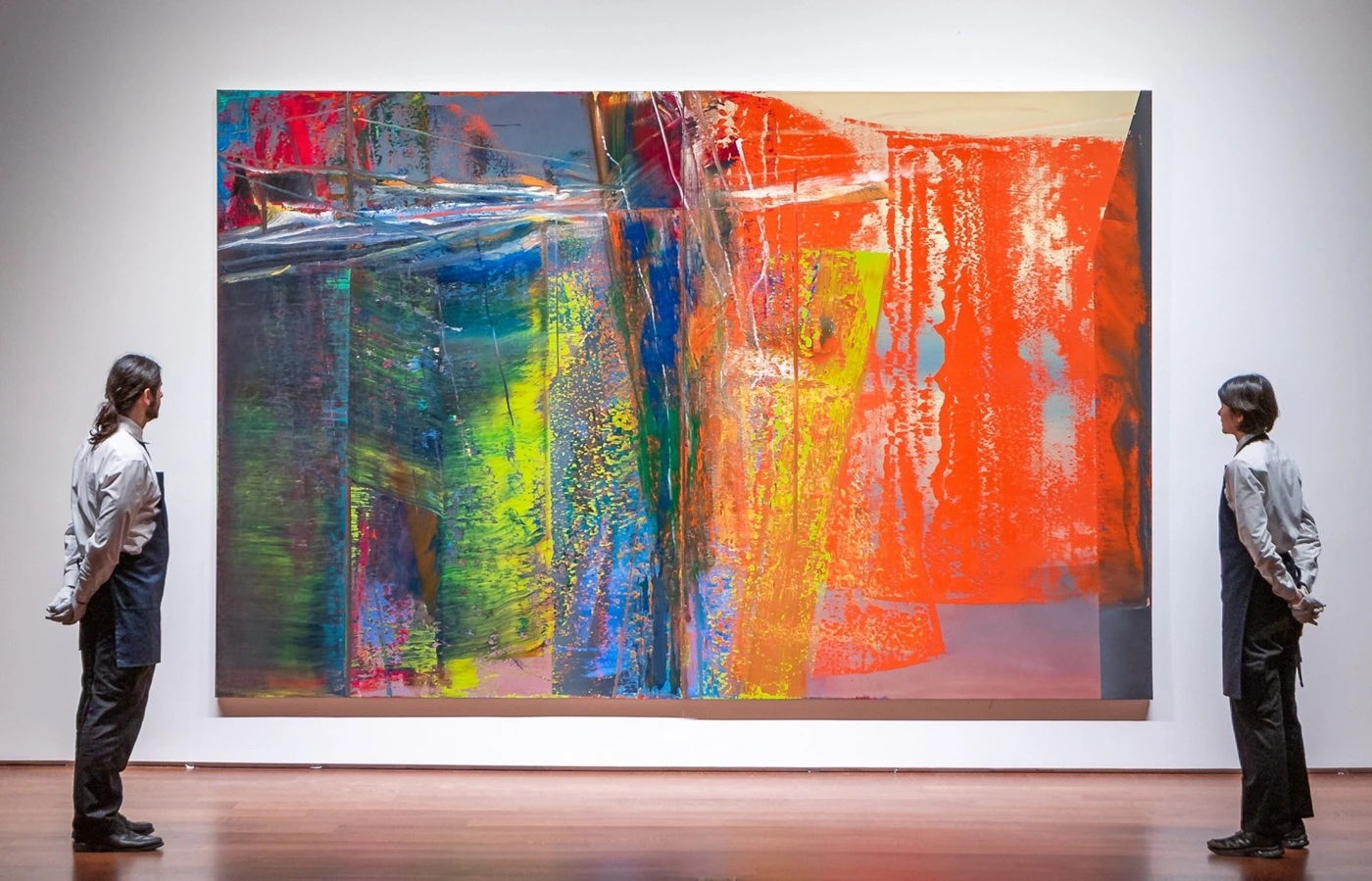
Gerhard Richter
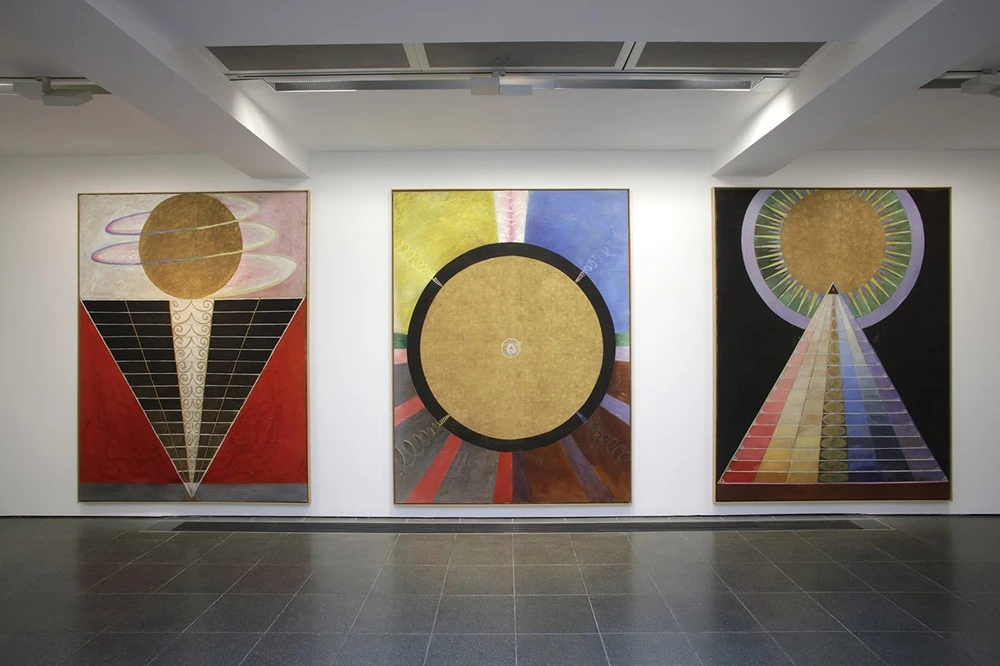
Hilma af Klint
Historical Context of Large-Scale Art
Large canvases have been used for centuries to convey power, grandeur, and narrative depth. From Renaissance altarpieces to monumental Baroque compositions, artists utilized size to dominate space and impress viewers. In modern and contemporary art, large canvases continue this tradition, enabling bold experimentation and immersive storytelling.
- Renaissance: Artists created large altarpieces and murals for churches and palaces. Source
- Baroque: Dramatic compositions with grand scale to evoke awe and emotion. Source
- Modern Art: Abstract and expressionist artists use expansive canvases to immerse the viewer and emphasize gesture. Source
- Contemporary Installations: Large canvases often integrate with multimedia and environmental art. Source
Psychological and Emotional Impact of Large Canvases
Large artworks engage viewers differently than smaller pieces, influencing perception, mood, and cognition. The scale creates a sense of presence, allowing the audience to feel enveloped by the composition and colors.
- Immersion: The viewer can feel surrounded by the artwork, heightening emotional engagement.
- Perspective: Large canvases can guide the eye across complex compositions, creating movement and narrative flow.
- Emotional Resonance: Expansive color fields, gestures, and textures elicit strong responses.
- Spatial Awareness: Large artworks interact with the viewer’s physical space, enhancing appreciation of scale and form.
Innovation and Trends in Contemporary Large-Scale Art
Contemporary artists are redefining what large-scale artworks can be. Beyond traditional canvas, modern works integrate mixed media, digital technologies, and immersive experiences. These innovations expand the possibilities of scale, meaning, and interaction with the audience.
- Mixed Media: Combining paint with textiles, found objects, or digital projection to create layered, multidimensional pieces.
- Abstract and Conceptual Approaches: Large canvases as vehicles for ideas rather than strictly representational images.
- Interactive and Immersive Art: Large-scale works that invite viewer participation or integrate with spatial installations.
- Global Influences: Contemporary large-scale art often draws inspiration from cross-cultural trends, street art, and urban aesthetics.
These contemporary practices ensure that large canvas artworks remain relevant, dynamic, and continually pushing the boundaries of visual culture.