
What Defines a Museum-Quality Painting?
Museum-quality paintings are considered the pinnacle of artistic excellence. They combine exceptional technique, historical or cultural significance, and superior materials to create works that are both visually stunning and enduring.
View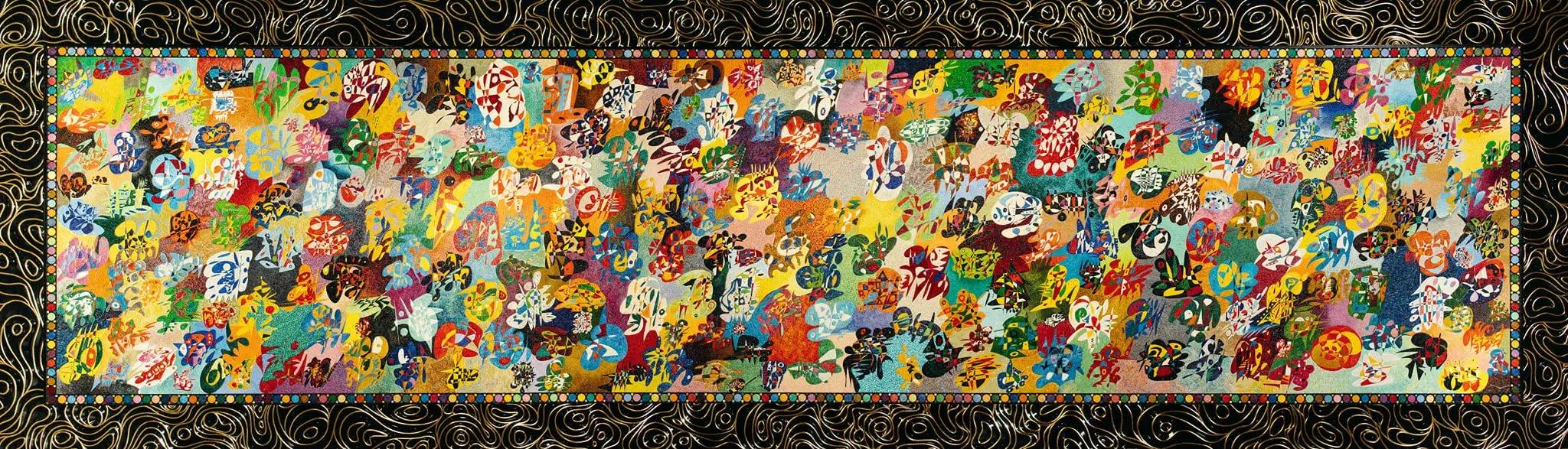
What Makes a Painting Museum-Quality?
- Exceptional Technique: Masterful use of color, composition, and brushwork.
- Historical or Cultural Importance: Artworks that reflect significant periods, movements, or cultural narratives.
- Preservation and Condition: High-quality materials that withstand the test of time.
- Provenance: Documented history ensuring authenticity and value.
How to Appreciate Museum-Quality Paintings
- Observe brushstrokes, textures, and layering techniques closely.
- Analyze the use of light, shadow, and color to understand the artist’s intent.
- Consider the historical context and symbolism within the painting.
- Reflect on the emotions and narrative conveyed by the artwork.
Common Techniques in Museum-Quality Paintings
- Oil Painting: Allows depth, richness, and subtle tonal variations.
- Impasto: Thick paint layers for texture and dimension.
- Glazing: Transparent layers to create luminous effects.
- Perspective and Composition: Guides the viewer’s eye and creates balance.
Examples of Museum-Quality Paintings
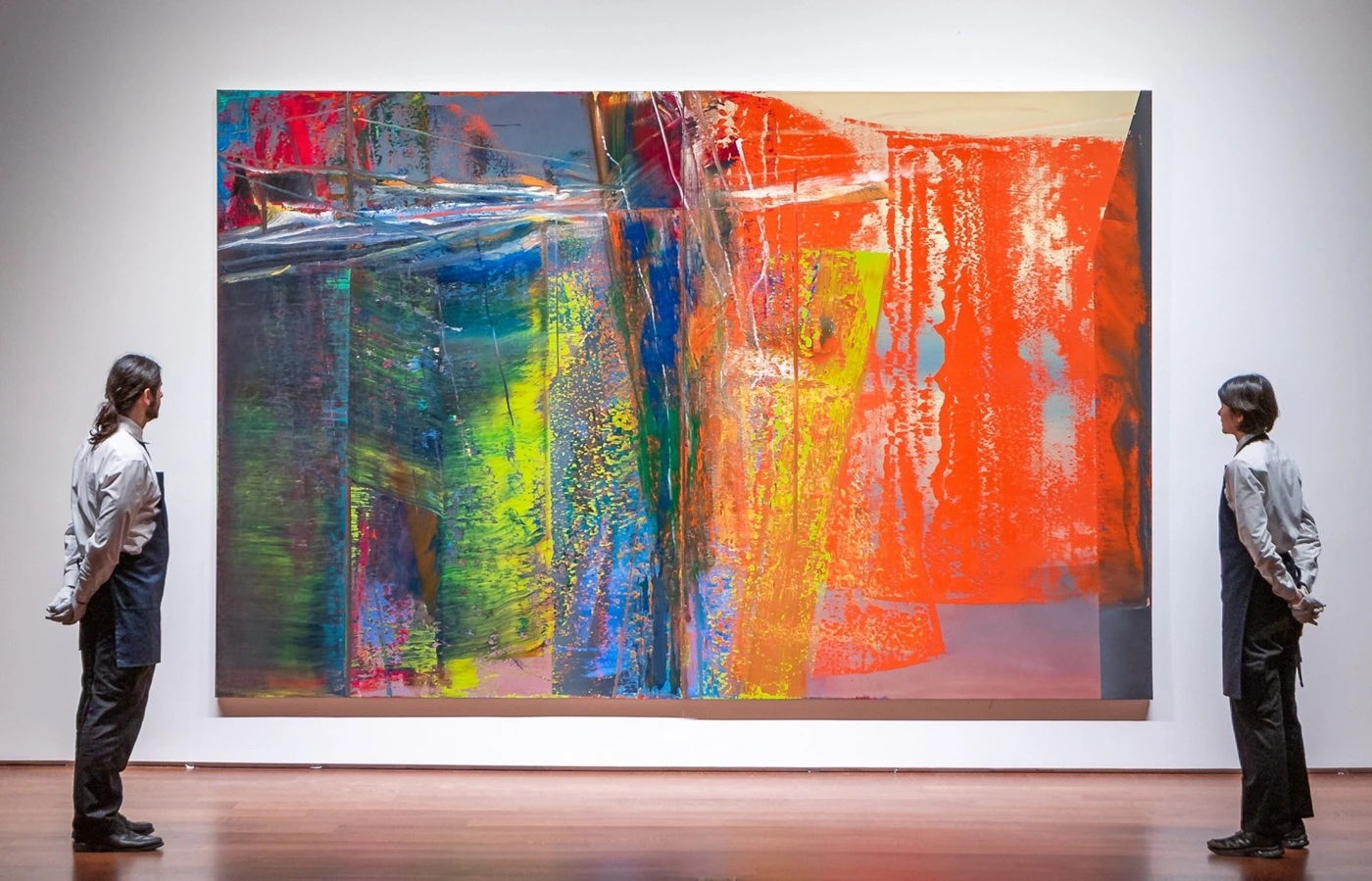
Gerhard Richter
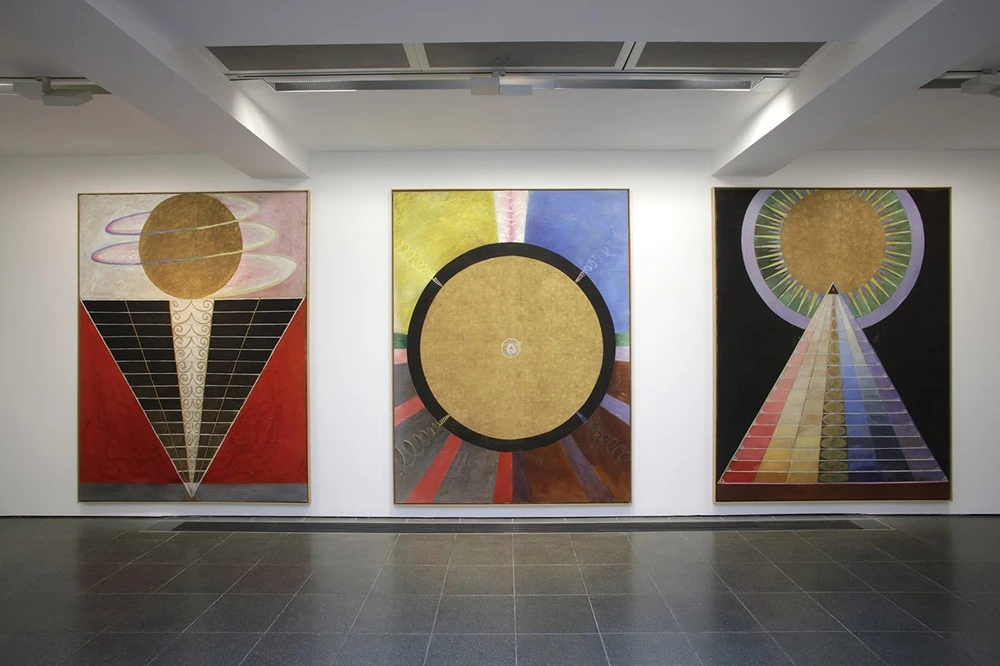
Hilma af Klint
Tips for Collectors
- Research the Artwork: Understand the painting’s provenance, historical context, and market value.
- Inspect Materials and Condition: Ensure the painting is well-preserved and uses high-quality materials.
- Buy from Reputable Sources: Work with galleries, museums, or verified dealers.
- Consider Long-Term Care: Learn proper framing, climate control, and storage to preserve your collection.
Famous Museum-Quality Works Explained
- “The Starry Night” by Vincent van Gogh: Known for its swirling brushstrokes and emotional depth, showcasing post-impressionist techniques. Source
- “The Birth of Venus” by Sandro Botticelli: Celebrated for its composition, mythological subject, and delicate detail. Source
- “The Persistence of Memory” by Salvador Dalí: Surrealistic masterpiece emphasizing dreamlike imagery and technical precision. Source
- “Mona Lisa” by Leonardo da Vinci: Famous for its subtle expression, sfumato technique, and historical significance. Source
Museum-Quality Paintings in Contemporary Art
Contemporary museum-quality paintings blend traditional craftsmanship with modern concepts and cultural commentary. Unlike classical works, contemporary art often challenges conventions, explores abstract ideas, and incorporates innovative materials or mixed media. Despite being modern, these paintings are evaluated for:
- Conceptual Depth: The ideas, messages, and cultural significance conveyed through the artwork.
- Technical Skill: Mastery of contemporary techniques, whether traditional painting, mixed media, or experimental methods.
- Innovation and Originality: Unique approaches that push the boundaries of visual art.
- Enduring Impact: Ability to resonate with audiences and maintain value over time, often gaining recognition in galleries or museums.
Contemporary museum-quality paintings demonstrate that even modern works can achieve timeless appeal and be celebrated alongside classical masterpieces.