
Statement Wall Art: Scale, Techniques, and Impact
Statement wall art is designed to create immediate visual impact and define the character of a space. These works are often large, bold, and expressive, turning walls into focal points and reflecting the personality or mood of a room.
View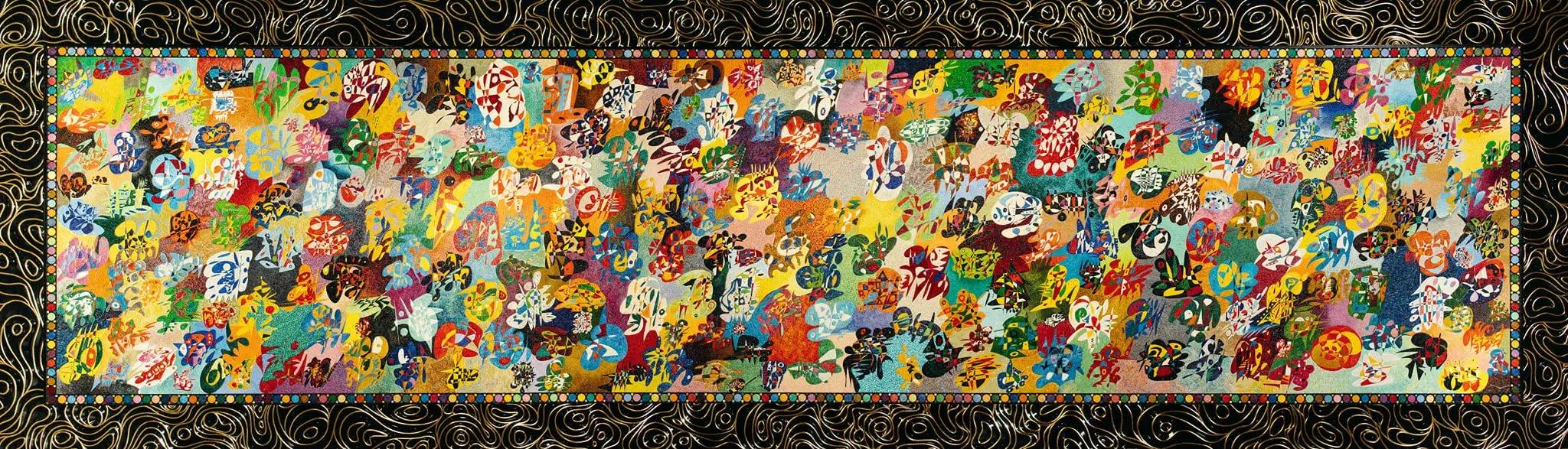
Key Characteristics of Statement Wall Art
- Bold Scale and Composition: Large, striking designs that command attention.
- High Visual Contrast: Strong colors, textures, or geometric forms for maximum impact.
- Emotional Resonance: Evokes mood or narrative instantly.
- Versatility: Complements contemporary, modern, and eclectic interior styles.
Psychological and Emotional Impact
Statement wall art is designed to provoke thought, elicit emotion, and create presence in a space. The scale, color, and composition directly influence mood, making it ideal for social areas, offices, or creative environments.
- Creates an immediate focal point for viewers.
- Evokes emotions like energy, calm, excitement, or contemplation depending on color and form.
- Enhances spatial perception, making rooms feel larger or more dynamic.
Artist Statement
An artist statement provides insight into the intention, concept, and creative process behind a piece of statement wall art. It helps viewers understand the ideas, emotions, and messages the artist aims to convey through bold scale, color, and composition.
For example, a statement wall piece might explore themes of urban energy, cultural identity, or emotional intensity. The statement clarifies why the artist chose certain colors, forms, or techniques, and how the work interacts with the space and the audience.
- Conceptual Context: Explains the ideas or inspiration behind the work.
- Techniques and Materials: Highlights the artistic methods and materials used.
- Emotional Intent: Communicates the mood or feeling the work is meant to evoke.
- Interaction with Space: Discusses how the artwork transforms or defines the environment.
Including an artist statement enhances appreciation for the artwork and deepens the viewer’s engagement, making statement wall art not just decorative, but meaningful and intellectually stimulating.
Examples of Statement Wall Art
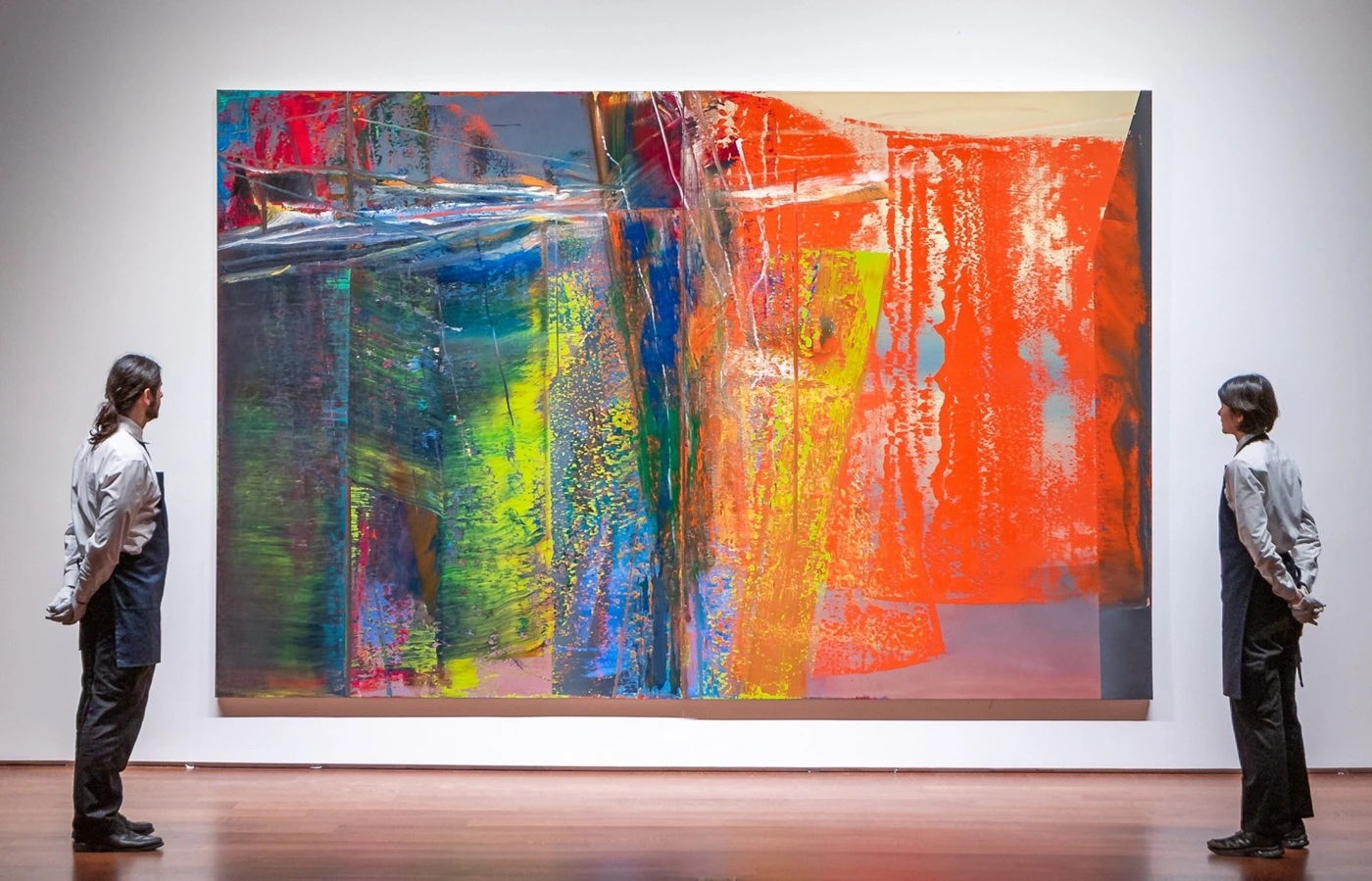
Gerhard Richter
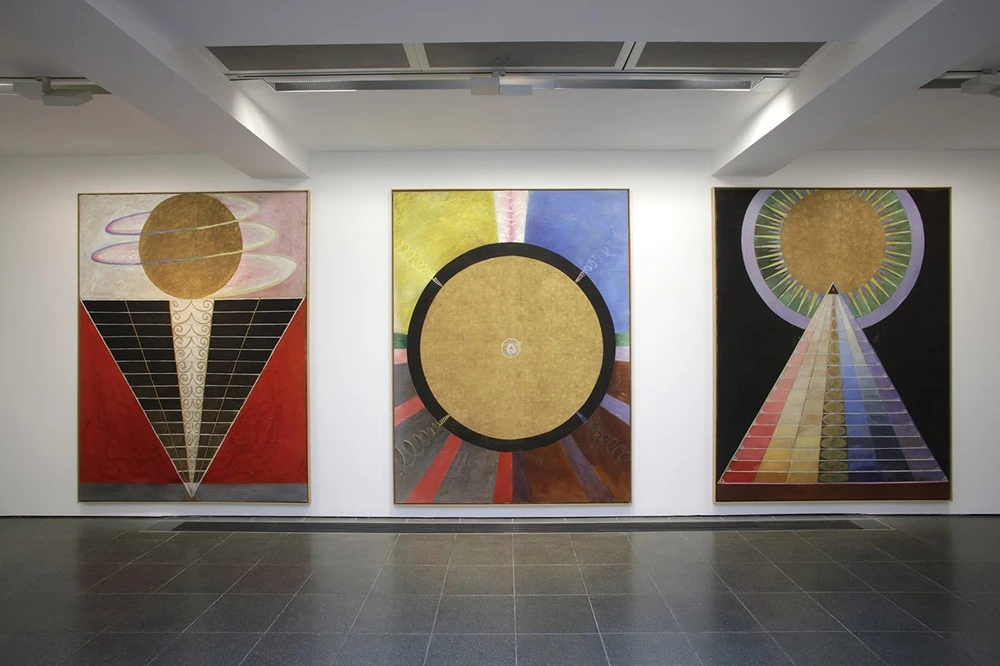
Hilma af Klint
Historical Context of Statement Wall Art
Throughout the centuries, large-scale works have been created to command attention, convey power, or evoke strong emotion.
- Renaissance and Baroque: Large altarpieces and monumental murals were designed to awe viewers in churches and palaces, establishing narrative and grandeur. Source
- 19th Century Romanticism: Expansive canvases captured dramatic landscapes and intense human emotion, emphasizing visual impact and storytelling. Source
- Modernism: Artists experimented with abstraction and scale to challenge conventions, using bold color fields and geometric forms to dominate visual space. Source
- Contemporary Era: Statement wall art integrates mixed media, street art influences, and immersive techniques, making walls focal points in galleries, offices, and homes.
The Value of Statement Wall Art
Statement wall art holds value on multiple levels, from financial to aesthetic and cultural. Its significance is not only determined by size or materials, but also by the impact it has on viewers and the space it occupies.
- Monetary Value: High-quality statement pieces, especially from recognized artists, can appreciate over time and represent a strong investment for collectors.
- Aesthetic Value: Large, bold works transform spaces, commanding attention and enhancing interior design, making them visually and emotionally significant.
- Cultural and Conceptual Value: Statement art often conveys ideas, emotions, or social commentary, contributing to cultural discourse and intellectual engagement.
- Emotional and Experiential Value: Beyond monetary worth, statement wall art evokes emotions, inspires creativity, and creates immersive experiences for viewers.
- Historical and Collector Value: Well-documented provenance, limited editions, or works tied to important movements or trends increase the long-term value of a piece.
Innovations in Statement Wall Art
Innovations push the boundaries of traditional painting, transforming walls into immersive and dynamic experiences.
- Mixed Media: Combining paint with textiles, metal, wood, or digital projections to create multidimensional works.
- Digital and Interactive Art: Using projection mapping, augmented reality, or motion sensors to engage viewers in real-time.
- Experimental Materials: Incorporating unconventional substances like resin, reclaimed objects, or sculptural elements for texture and depth.
- Environmental and Site-Specific Works: Designing pieces that interact with the physical space or architecture, turning walls into immersive environments.
- Cross-Cultural and Urban Influences: Drawing inspiration from street art, pop culture, and global design trends for bold and innovative expressions.