
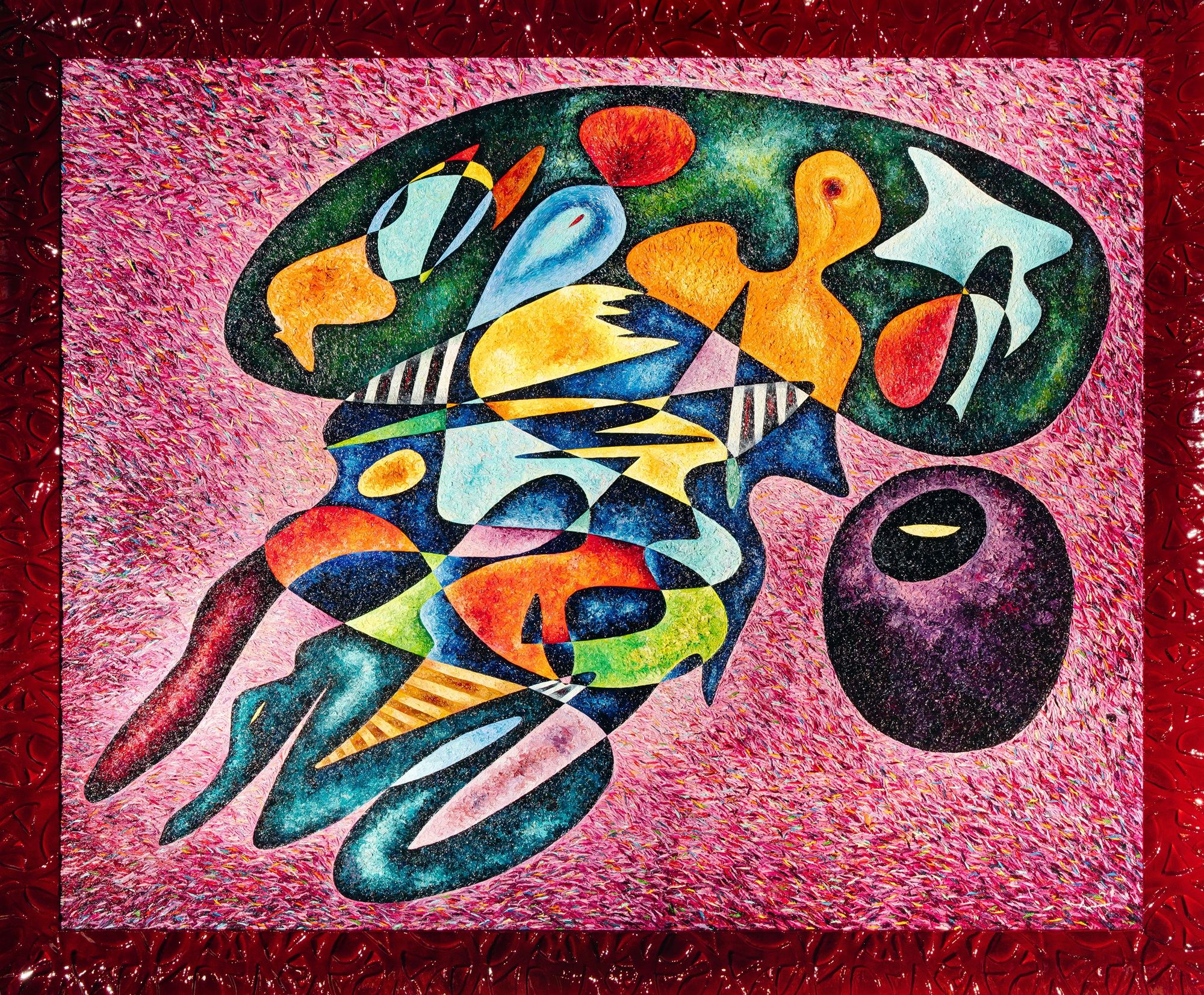
Philip II of Macedonia, 2021 Oil on canvas
A Structural Image of Power, Formation, and Imperial Construction
A Field of Constructed Authority
Set within a dense and highly structured visual field, a central configuration emerges as an organised system rather than a fragmented body. The painting explores the formation of power as a process of construction, alignment, and sustained tension.
Concept & Meaning
The work centres on Philip II of Macedonia, reframed not as a portrait but as a system of structural relations. Within the Six Wars System, the painting operates as Codex III of Battle of Gaugamela (2000–2002), shifting focus from collapse to formation. Philip’s historical role as organiser of Macedonian power is translated into a visual logic of assembly, where authority emerges through construction rather than inheritance or rupture.
El Arte Monumental & Systemic Abstraction
The work is a key example of New Perfection in Systemic Abstraction, as defined through the concept of El Arte Monumental derived from Virtosu’s practice. Within this framework, monumentality is not a matter of scale alone, but of structural intensity and sustained visual presence. The painting operates as a self-regulating system in which form, colour, and surface are held in continuous tension, producing a condition of balance that remains active rather than resolved.
Fragmentation & Visual Structure
Unlike later codices, the structure here is more consolidated. Interlocking forms suggest armour, architecture, and organisational logic. Rather than disintegration, the composition presents controlled complexity, where elements align into a coherent yet unstable system of power.
Archaeology of Formation
The background functions as an active field of construction rather than decay. Dense pink and red textures create a sense of energetic buildup, suggesting an environment of emergence. Within this field, the central structure appears assembled rather than fragmented, reflecting processes of consolidation and political engineering.
Materiality & Technique
Executed in oil on canvas, the work combines layered surface density with precise internal segmentation. Gestural background movement contrasts with controlled structural forms, producing a tension between expansion and organisation. The painting’s surface operates as both field and framework.
Colour, Signal & Construction
Colour is used as a system of organisation. Vibrant pinks, reds, greens, and blues function as structural markers rather than descriptive tones. These chromatic zones establish hierarchy, rhythm, and directional flow, reinforcing the sense of an actively constructed system.
Scale & Spatial Condition
The near-square format supports a sense of equilibrium between expansion and containment. The central configuration asserts presence without dominance, maintaining balance through internal tension rather than external hierarchy.
Crate Documentation
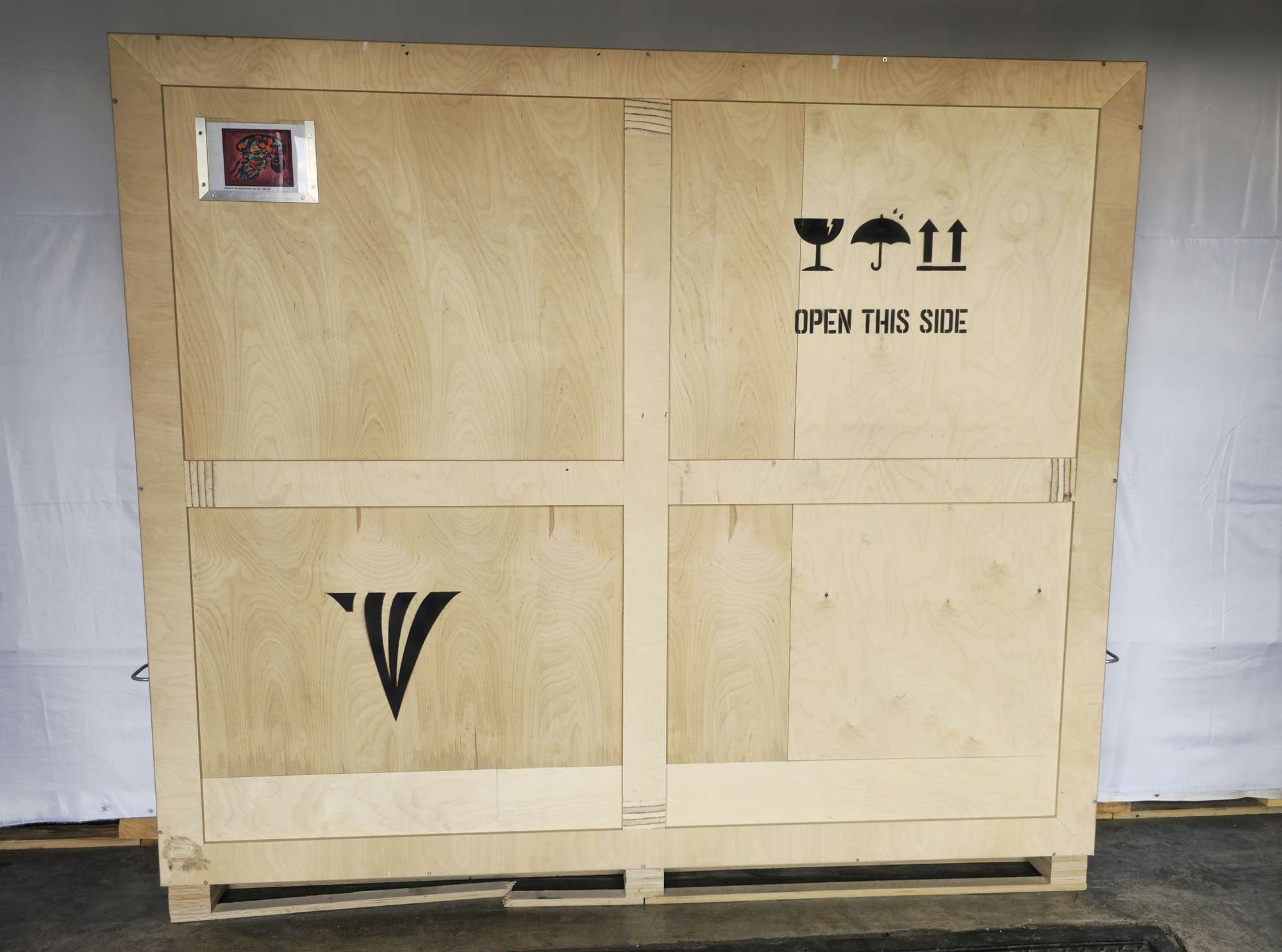
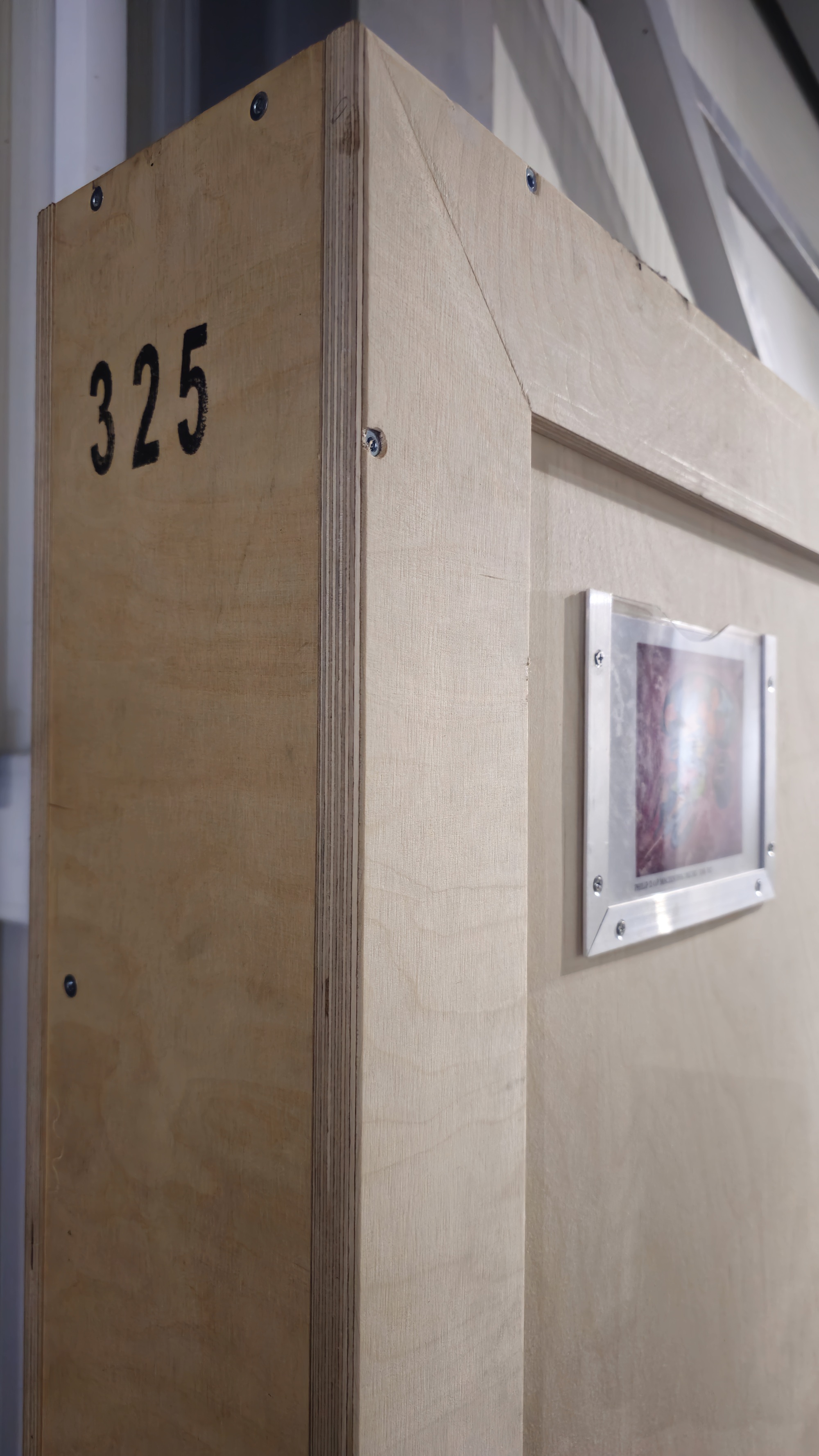
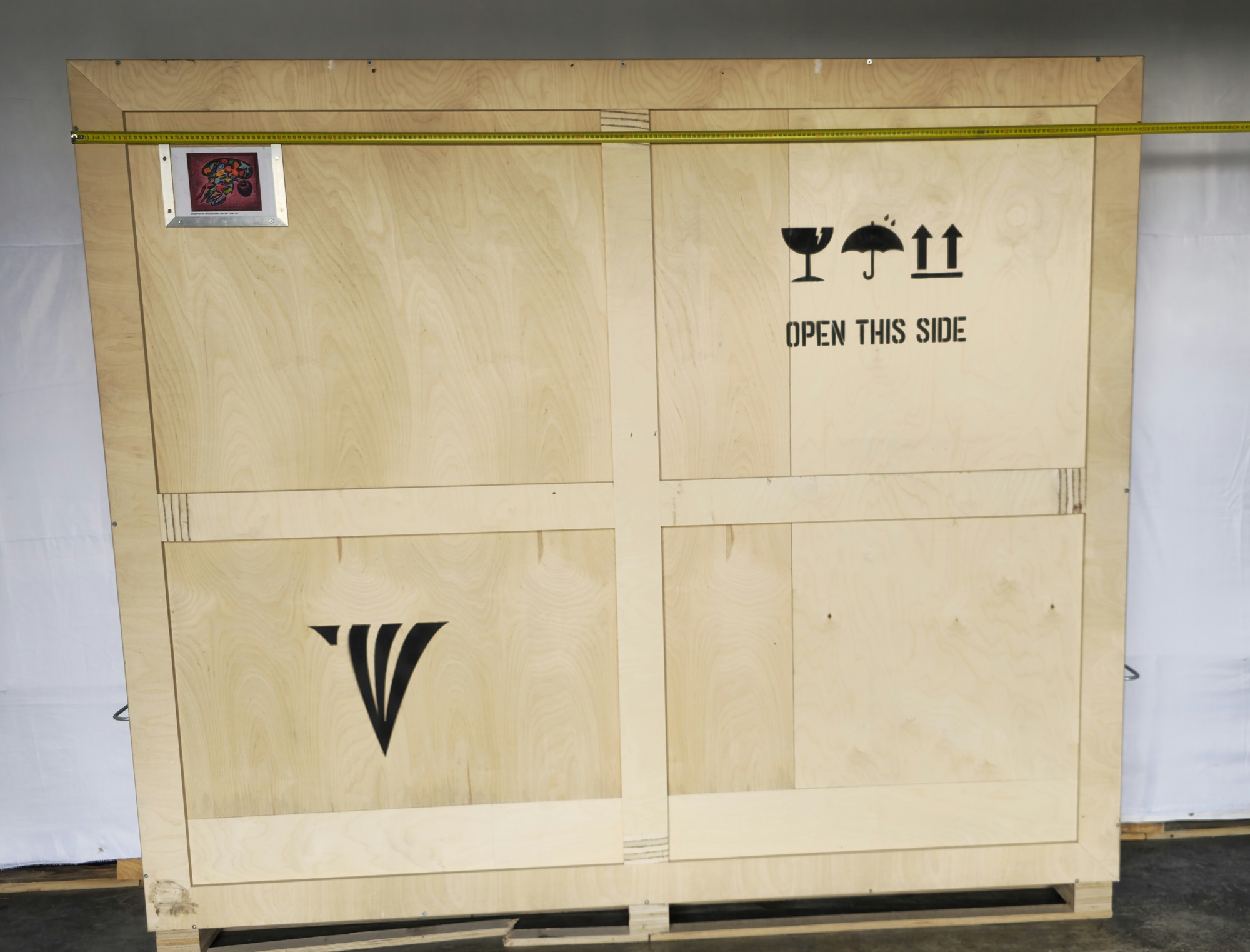
The custom transport crate and its identification markings document Philip II of Macedonia, 2021, ensuring controlled handling, archival tracking, and institutional movement of the work.
Crate Size Reference
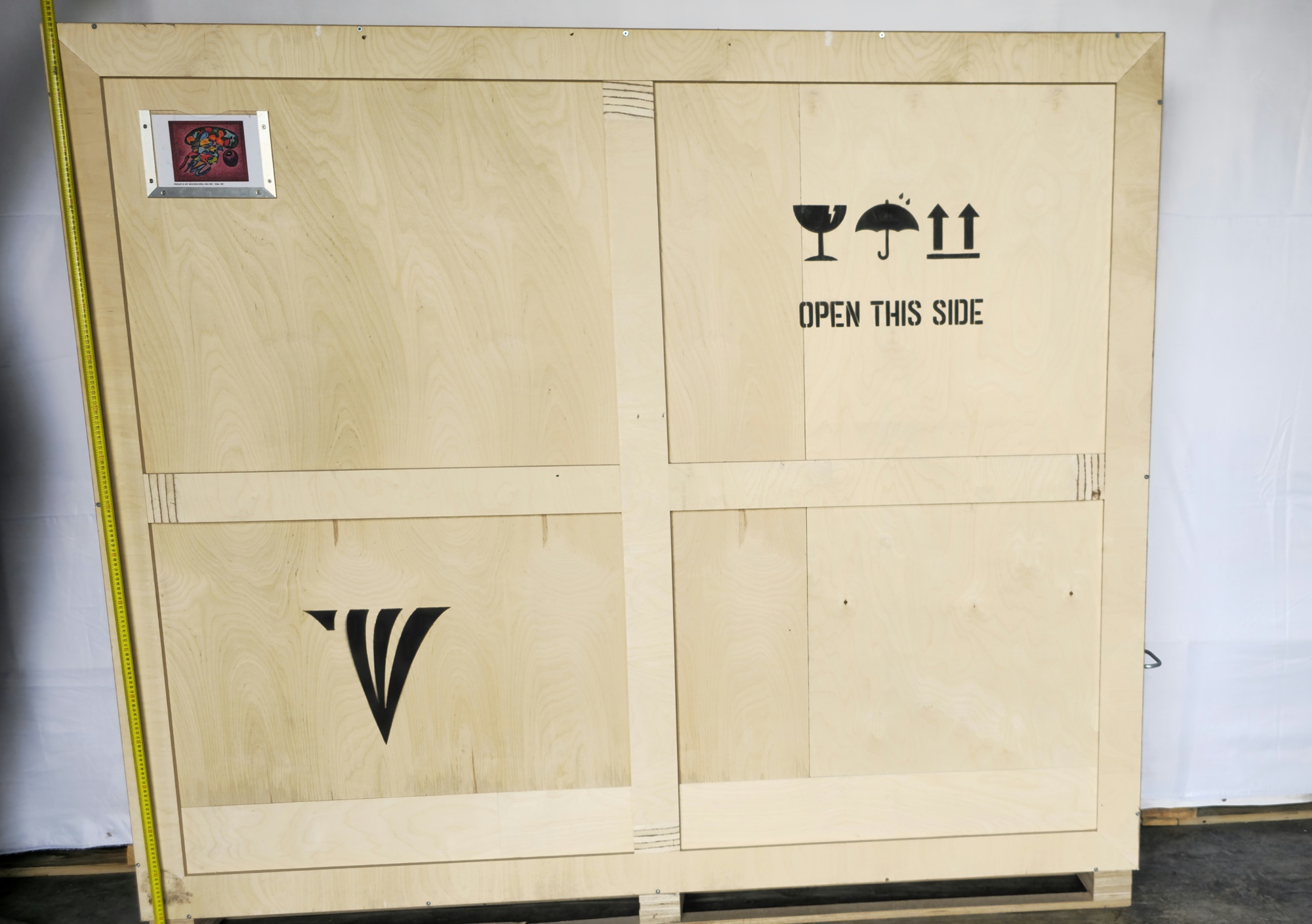
The transport crate for Philip II of Macedonia, 2021, is shown against a measuring tape to provide an accurate visual reference of its physical dimensions.
Explore the Work
Navigate catalogue data, curatorial writing, and collection context for Philip II of Macedonia, 2021.
Institutional Context
The work positions itself within contemporary discourses on abstraction, systems of power, and historical construction. As part of the Codex structure, it functions simultaneously as image, system, and archive.
Closing Statement
Philip II of Macedonia frames power as construction rather than collapse. It presents sovereignty as an evolving system of relations, held together through structure, tension, and continuous organisation.
Artist Insights
Learn more about the artist’s practice, context, and conceptual framework.
View Artist Profile𐰘𐰙𐰖𐰢𐰡𐰘𐰟𐰞𐰜𐰛𐰡𐰘𐰚𐰝𐰡𐰖𐰡𐰖𐰝𐰤𐰙𐰖𐰝𐰘𐰘𐰣𐰤𐰡𐰘𐰣𐰘𐰢𐰝𐰘𐰡𐰥𐰞𐰘𐰣𐰤𐰞𐰢𐰖w𐰘𐰝𐰙𐰢𐰟𐰞𐰛𐰤𐰝𐰖𐰟𐰖𐰣𐰚𐰝𐰠𐰛𐰟𐰖𐰣𐰢𐰖𐰡𐰟𐰤𐰖𐰣𐰚𐰖𐰣𐰛𐰟𐰟